
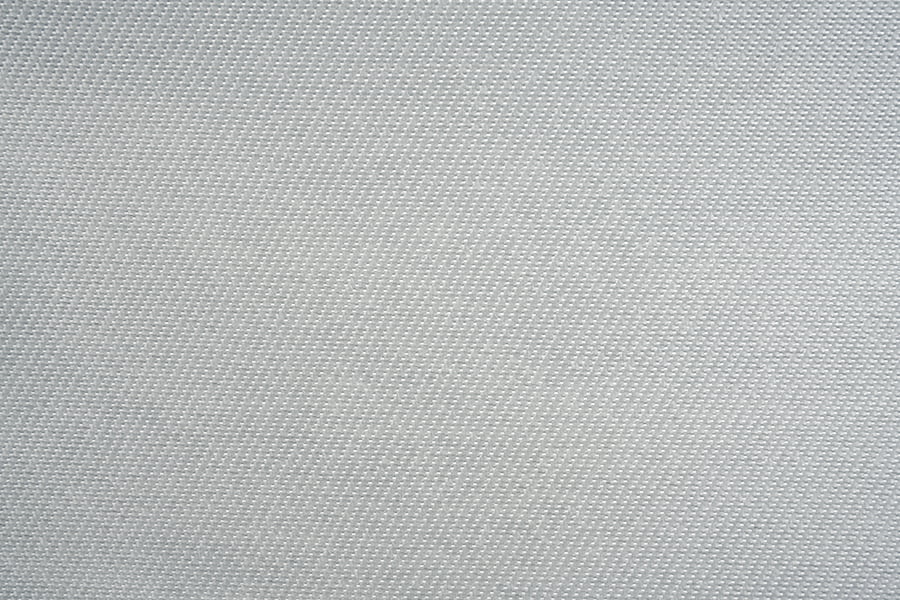
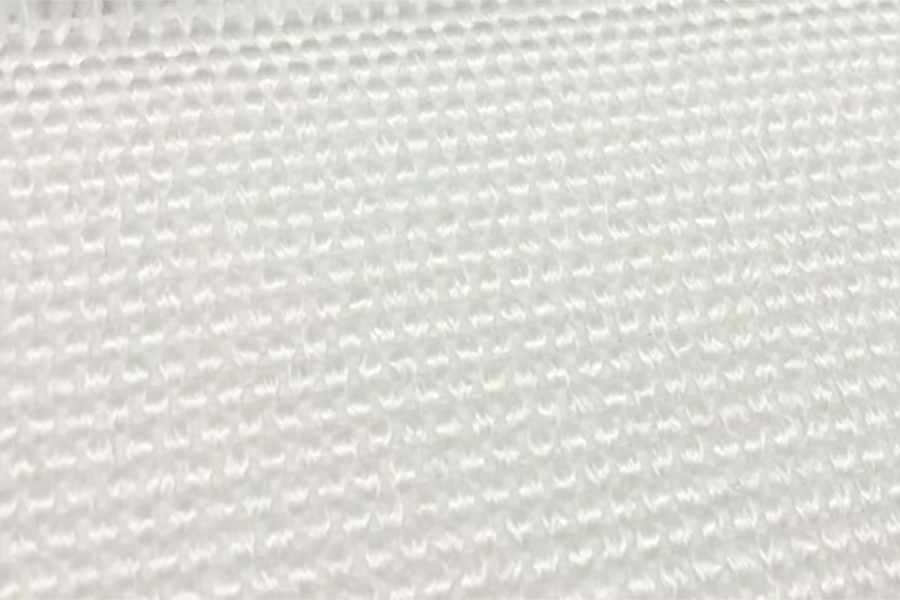
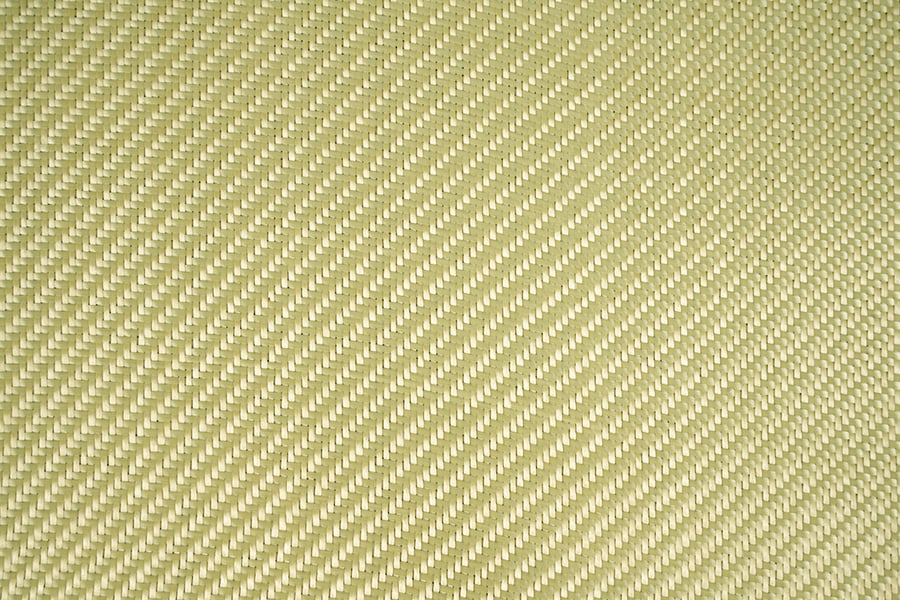
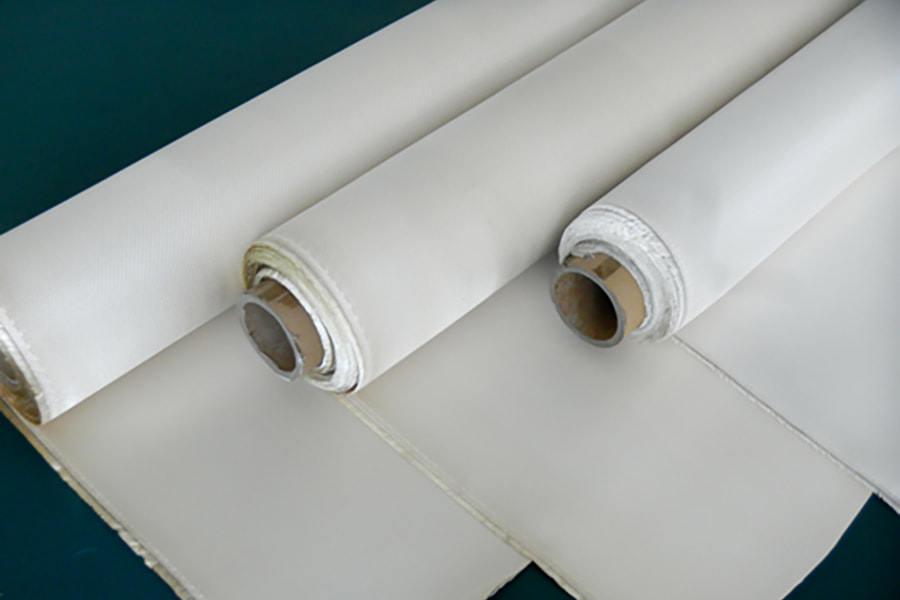
fiberglass cloth roll for boat building

Marine-Grade Composite Fabric

This cloth roll is engineered specifically for marine construction, delivering high-performance reinforcement for boat hulls, decks, and superstructures. Manufactured from marine-grade E-glass filaments with a proprietary sizing optimized for polyester, vinylester, and epoxy marine resins, the cloth provides exceptional mechanical properties in wet environments. Available in areal weights from 200 g/m² to 600 g/m² and thicknesses ranging 0.18 mm to 0.65 mm, the fabric offers tensile strength exceeding 320 MPa and flexural modulus of 26 GPa. The cloth's weave geometry ensures excellent drapeability over compound curves, reducing lay-up time and minimizing print-through. The fabric is UV-stabilized and exhibits resistance to saltwater degradation, maintaining structural integrity throughout the vessel's service life.

320 MPa Marine Tensile
200-600 g/m² Marine Weight
26 GPa Flexural Modulus

Marine Construction Advantages

  • Saltwater resistance: Specialized sizing prevents hydrolysis and maintains bond integrity in marine environments, ensuring long-term durability.
  • Superior drapeability: Optimized weave architecture conforms to complex hull shapes, compound curves, and tight radii without bridging or wrinkling.
  • Reduced print-through: Balanced weave construction minimizes fiber pattern telegraphing through gelcoats, providing a smooth, professional finish.
  • High impact resistance: Marine-grade formulation delivers excellent energy absorption, protecting against grounding and collision damage.
  • Low moisture absorption: Dense weave and optimized sizing limit water ingress, preventing osmotic blistering and core degradation.

Boat Building Specifications

Fiber Type Marine-grade E-glass
Weave Type Plain / Twill / Satin
Areal Weight 200 – 600 g/m²
Thickness 0.18 – 0.65 mm
Marine Tensile Strength ≥ 320 MPa
Flexural Modulus 26 GPa
Saltwater Resistance ≥ 5000 hours
Service Temperature –60°C to 550°C
Roll Widths 800 / 1000 / 1200 mm
Roll Lengths 20 / 40 / 80 m

Marine Application Areas

Hull construction Primary hull laminates, keel reinforcement, and chine structures for powerboats and sailboats.
Deck systems Deck laminates, nonskid surfaces, and cockpit sole reinforcement for marine durability.
Superstructure Cabin tops, helm stations, and flybridge structures requiring lightweight reinforcement.
Interior structures Bulkheads, stringers, and furniture reinforcement in marine interior spaces.
Repair & retrofit Structural repairs, blister repair, and reinforcement of existing hulls and decks.
Mast & rigging Mast reinforcement, spreader construction, and rigging component reinforcement.

Marine Laminate Fabrication Guide

1
Mold preparation Apply marine-grade wax or PVA release agent. Ensure mold temperature is 18–25°C for optimal resin viscosity and cure.
2
Gelcoat application Apply marine gelcoat at 0.4–0.6 mm thickness. Allow to tack-cure before proceeding with laminate lay-up.
3
Resin selection For marine applications, use vinylester or isophthalic polyester resins for superior moisture resistance. Epoxy systems provide maximum adhesion.
4
Lay-up sequence Start with lightweight cloth (200 g/m²) for surface layers, progressing to heavier cloths (400–600 g/m²) for structural buildup.
5
Consolidation Use a grooved roller to remove trapped air and ensure complete resin penetration. Apply vacuum bagging for high-performance laminates.
6
Cure & demold Allow room-temperature cure for 24–48 hours. Post-cure at 60°C for 4–8 hours to achieve maximum mechanical properties and moisture resistance.

Frequently Asked Questions

For marine applications, vinylester resins provide an excellent balance of mechanical properties, moisture resistance, and cost-effectiveness. Isophthalic polyester resins are suitable for less demanding applications. Epoxy resins offer the highest strength, adhesion, and resistance to osmotic blistering, making them ideal for high-performance vessels and repair work.

The cloth's dense weave architecture and marine-specific sizing significantly reduce water absorption through the laminate. When combined with vinylester or epoxy resins, the composite forms an effective barrier against osmotic blistering. The cloth's low porosity (less than 1% void content) eliminates pathways for water ingress.

For a typical 25–40 foot boat hull, a laminate schedule of 6–12 plies of 400–600 g/m² cloth is standard. The schedule should be designed based on the vessel's design category, power requirements, and operational conditions. For high-performance boats, additional reinforcement is added in high-stress areas such as chines, keel, and transom.

While the cloth can be applied in moist environments, best results are achieved when the substrate is dry. For repair applications in humid conditions, use vinylester resins with appropriate moisture-tolerant hardeners. Ensure the repair area is well-ventilated and temperatures are above 15°C for proper cure.

The cloth's twill or satin weave patterns provide excellent drapeability over compound curves and tight radii without requiring darts or cuts. For extreme curvatures, use the cloth on the bias (45° orientation) to maximize conformability. The cloth's flexibility allows it to follow the hull's contours without wrinkling or bridging.

Jiaxing Jiete
Est. 2010 · Haining, Zhejiang · Glassfiberstoff
Produsent av glassfiberstoff
Klarhet, styrke,
og belegg – innvevd.

Siden 2010 har vi vevd og belagt glassfiberstoff etter spesifikasjoner for kunder som trenger både fysikk og finish for å holde stand.

ugjennomsiktigbelagtbasevevgjennomskinnelig
Lysgjennomgang på tvers av vårt stoff- og membransortiment
Om bruket
Zhijiang industripark

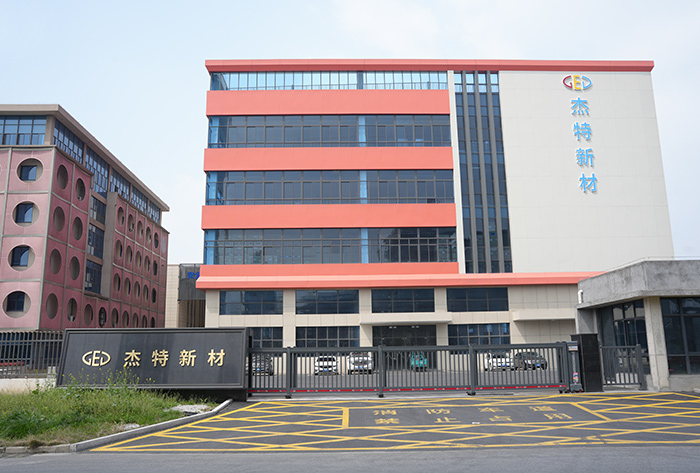
Jiaxing Jiete New Material Co., Ltd. er en profesjonell produsent av glassfiberstoff, etablert i 2010 og basert i Zhijiang Industrial Park, Haining City, Zhejiang-provinsen - godt forbundet for frakt over hele verden.

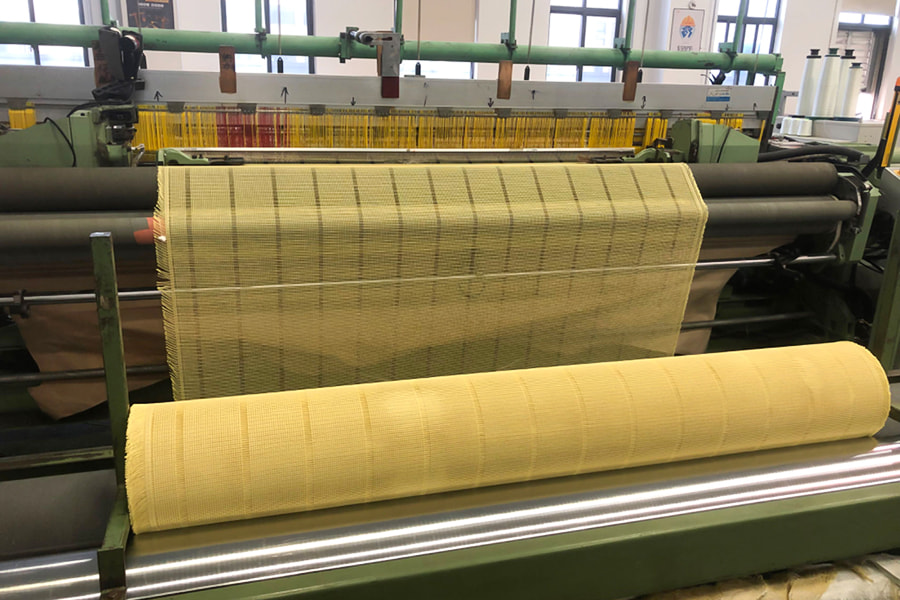
We are China fiberglass cloth roll for boat building Manufacturers and Custom fiberglass cloth roll for boat building Suppliers. We weave fiberglass fabric and develop custom products to specification, running Karl Mayer warping-slashing lines, air-jet looms, Dornier rapier looms, and multiple coating lines under one roof.

Jiete fiberglass veving og belegg anlegg
Fabrikkgulv
150 000 m²
fabrikkens gulvareal
200+
personer i staben
200
deler av produksjonsutstyr
Produktportefølje
9 materiallinjer
Standard og høyfast vev, varmebestandig basisstoff.
Type-E · basevev
Eksepsjonell strekkfasthet og slagfasthet.
Aramid · høy utholdenhet
Fin, jevn netting for landbruks- og arkitektonisk screening.
Mesh · screeningsgrad
Konstruert for ekstreme eller ikke-standard driftsforhold.
Tilpasset · konstruert
Høy gjennomskinnelighet, selvrensende overflate, bruk med lang spennvidde.
PTFE · strekkkvalitet
Non-stick, kjemisk motstandsdyktig over et bredt termisk område.
-70°C to +260°C
Fleksibel, vanntett, med sterk høytemperaturisolasjon.
Silikon · fleksibel
Slitesterk, flammehemmende og værbestandig for utendørs bruk.
PVC · flammehemmende
PU, akryl og andre tilpassede belegg tilgjengelig på forespørsel.
PU / akryl · tilpasset
Bygget etter din tegning, ikke vår katalog

Send oss et krav utenfor standardutvalget, og vårt FoU-team vil designe vevingen, finishen og belegget rundt det - fra første prøve til produksjonsvolum.

Siden 2010, på et grunnlag av forsiktig forvaltning og jevn reinvestering, Jiete har bygget en posisjon i den globale handelen med glassfiberstoff og langvarige partnerskap på tvers av den. Vi tar gjerne imot sjansen til å være vert for deg på fabrikken.

Anbefalt LENKER